
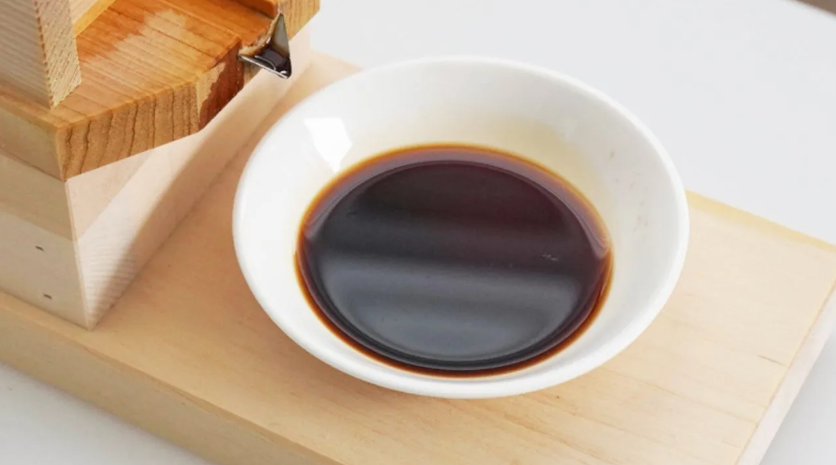
Join us at JAPAN HOUSE Los Angeles for the inaugural workshop in a new series celebrating Japan’s rich fermentation culture. For millennia, fermentation has shaped human civilization, from preserving foods through long winters to creating alcoholic beverages. In Japan, it plays a special role: fermented ingredients are the basis of Japanese cuisine’s unique flavor profile. Many of Japan’s centuries-old brands are actually fermentation-related companies, from sake breweries to soy sauce producers. As scientific studies continue to reveal fermentation’s health benefits, these traditional methods are finding eager new practitioners worldwide. Led by fermentation expert Yoko Maeda Lamn, this hands-on session explores the traditional methods, authentic flavors, and cultural significance of Japan’s beloved fermented foods—miso (fermented soybean paste), koji (fermentation starter made from rice or barley and mold), and that superstar condiment, shoyu (soy sauce).
Explore Soy Sauce Traditions
First, discover the five main types of soy sauce: Koikuchi, Usukuchi, Shiro, Tamari, and Saishikomi. Then, gain a behind-the-scenes knowledge of the traditional production process, including key ingredients like soybeans, wheat, koji, and brine, and the time-honored fermentation methods that create their distinct flavors. Explore the character of wooden-barrel (Kioke) soy sauce and how artisanal techniques preserve centuries of tradition. The workshop will also explore soy sauce production in the U.S., from emerging craft soy sauce breweries to global leaders like Kikkoman.
Hands-On Soy Sauce Making
In this session, participants will combine koji made from soybeans and wheat with brine to prepare moromi and experience the very beginning of soy sauce fermentation. The focus is on observing how fermentation progresses over time and how the mixture gradually transforms into soy sauce. Participants will also learn key points on what to look for at home so they can enjoy watching the fermentation continue after the workshop.
Flavorful Comparative Tasting
Participants will also enjoy a tasting of five curated soy sauces, including Kioke-brewed, JAS-standard, and U.S. varieties, paired with simple foods such as tofu, avocado, and eggs. Through Lamn’s guidance, participants will refine their palates and learn to identify umami, aroma, and pairing versatility. The session will also introduce the Kioke Project, highlighting the cultural and environmental importance of preserving Japan’s traditional wooden-barrel fermentation methods.
Whether you are a gourmet foodie, home cook, or simply curious about Japanese culinary traditions, this workshop offers a rare opportunity to experience the art of fermentation hands-on, deepen your appreciation for soy sauce, and bring a piece of Japan’s culinary heritage home.