
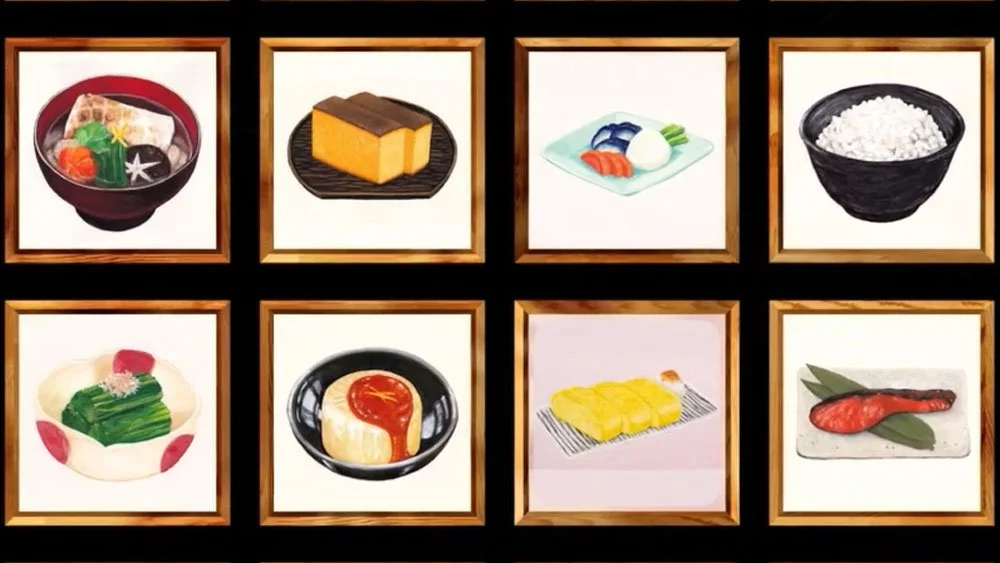
What is washoku? Much more than its literal translation as “Japanese food,” washoku is a unique culinary tradition shaped by the distinctive environment of the Japanese archipelago, thousands of years of ingenuity, and the Japanese people’s deep reverence for and relationship with nature. Built upon the foundational pillars of rice and fish, washoku represents not just sustenance, but a sophisticated cultural achievement that balances taste, technique, and a deep attunement to seasonality.
The exhibition, “WASHOKU | Nature and Culture in Japanese Cuisine,” on view at JAPAN HOUSE Los Angeles from May 22 through October 18, 2026, delves into the core elements, evolution, and connection to culture of this UNESCO-recognized intangible cultural heritage. The program has been developed in collaboration with the National Museum of Nature and Science in Tokyo and The Asahi Shimbun and presented here outside Japan for the first time.
Through displays featuring natural specimens, food models, multimedia, and interactive experiences introduced across four areas of concentration, this exhibition invites visitors to explore the ingredients, techniques, history, and ideas that come to form and define Japanese cuisine – and to consider how food has come to express the values and environment of Japan.
We hope this journey through Washoku reveals not only the richness of Japanese cuisine, but also the enduring relationship between nature and culture that lies at its heart.